
Your engine faces a brutal daily battle. Scorching heat radiating from Lagos asphalt, choking dust clouds on Abuja expressways, and relentless stop-and-go traffic that pushes temperatures beyond design limits. Every journey demands more from your lubricant than manufacturers ever anticipated during testing in temperate climates.
Yet most Nigerian drivers pour oil into their engines without understanding the cryptic codes on containers. Those numbers and letters 5W-30, API SN, ACEA C3 aren’t marketing jargon. They’re survival instructions for your engine, especially on roads that devour substandard lubricants and the engines they claim to protect.
Understanding Mobil engine oil’s compliance with Nigeria’s quality standards helps you transition from a passive consumer to an informed protector of your automotive investment. This knowledge separates engines that reach 300,000 kilometers from those requiring premature rebuilds.
Why Nigerian Road Conditions Demand Superior Oil Standards
Nigeria’s driving environment creates a perfect storm of lubricant stress factors. Urban centers experience average temperatures above 32°C, with engine bay temperatures exceeding 120°C during peak traffic. Rural roads introduce abrasive dust particles that infiltrate even sealed systems. Variations in fuel quality affect combustion efficiency and accelerate oil contamination.
These conditions accelerate lubricant degradation. Oil that performs adequately in European or American conditions fails catastrophically under Nigerian stress. The best engine oil for Nigerian roads must meet baseline international standards and address local challenges.
The Heat Challenge
Heat-resistant engine oil formulations in Nigeria combat thermal breakdown, which causes conventional oils to lose viscosity and protective properties. When oil thins excessively, metal-to-metal contact increases, generating more heat in a destructive cycle. Quality lubricants maintain film strength even when temperatures spike during prolonged idling or high-speed highway runs.
Dust and Contamination
Nigerian roads, particularly during the harmattan season, introduce airborne particles that bypass air filters. Engine protection oil products in Nigeria contain robust detergent and dispersant packages that suspend contaminants, preventing sludge formation and keeping critical passages clear.
Fuel Quality Variables
Inconsistent fuel quality creates combustion byproducts that contaminate oil. Premium lubricants neutralize acidic compounds and handle higher contamination loads without losing effectiveness between drain intervals.
Decoding Essential Oil Quality Standards
Understanding quality certifications empowers smart purchasing decisions. Genuine Mobil lubricants Nigeria products display multiple quality indicators that signal performance capabilities.
API Service Classifications
The American Petroleum Institute (API) establishes performance standards through rigorous testing. Current gasoline engine ratings include:
API SN Plus: The latest standard for modern gasoline engines, offering enhanced protection against low-speed pre-ignition (LSPI), improved deposit control, and better wear protection. Suitable for turbocharged engines, which are increasingly common in Nigeria.
API SN: Designed for vehicles from 2010 onwards, providing excellent high-temperature deposit protection and seal compatibility.
For diesel engines, API classifications include:
API CK-4: The current standard for high-speed four-stroke diesel engines, meeting 2017 on-highway and Tier 4 non-road exhaust emission standards. Critical for modern diesel vehicles and equipment.
API CJ-4: Previous generation diesel standard, still suitable for older diesel engines operating in Nigeria.
High-performance diesel oil applications in Nigeria require a minimum API CK-4 rating to ensure adequate protection under severe service conditions common to commercial vehicles and generators.
SAE Viscosity Grades
The Society of Automotive Engineers (SAE) viscosity grading system indicates oil flow characteristics at different temperatures. Understanding this system is crucial for selecting appropriate lubricants.
Viscosity grade 5W-30 Nigeria remains popular because it balances cold-start protection (the “5W” winter rating) with high-temperature performance (the “30” rating). This versatility suits a range of Nigerian conditions, from cool morning starts to midday heat.
Viscosity grade 0W-20 Nigeria products deliver even better cold-flow properties and fuel-economy benefits. Modern engines with tighter tolerances increasingly specify these lower-viscosity oils. However, older engines designed for thicker oils should not be used with them without the manufacturer’s approval.
Higher viscosity grades, such as 10W-40 or 15W-40, are suitable for older engines with increased clearances or for vehicles operating under extreme loads. Heavy-duty commercial applications often require these thicker formulations.
ACEA European Standards
The European Automobile Manufacturers Association (ACEA) provides additional specifications, particularly relevant for European vehicle standards in Nigeria.
ACEA A3/B4: High-performance oils for gasoline and diesel engines with extended drain capabilities.
ACEA C3: Low-ash oils compatible with diesel particulate filters and catalytic converters, essential for modern emission-controlled vehicles.
OEM Specifications
Vehicle manufacturers establish proprietary standards beyond industry minimums. OEM-approved Mobil Oil Nigeria products meet specific requirements set by brands such as Mercedes-Benz (MB), BMW (LL), Volkswagen (VW), and others.
Using oil meeting your vehicle’s OEM specification ensures warranty compliance and optimal performance. Check your owner’s manual for required approvals.
Mobil Product Range: Matching Standards to Applications
Mobil Lubricants Nigeria offers comprehensive solutions engineered to exceed quality standards while addressing the realities of Nigerian operations.
Conventional Mineral Oils
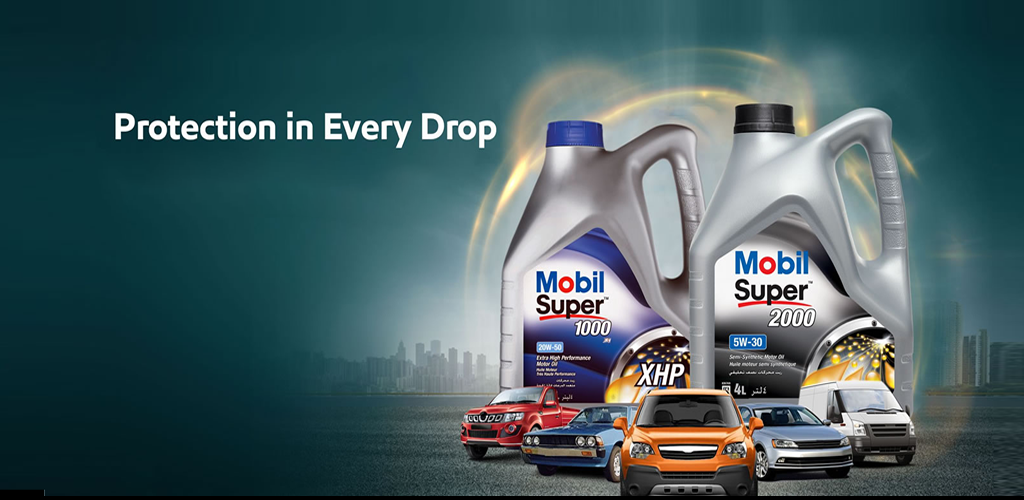
Mobil Super 1000 Nigeria provides reliable protection for older vehicles and moderate driving conditions. Meeting API SN standards, it delivers adequate performance for budget-conscious drivers with conventional engines and regular service intervals.
Mobil Super 2000 Nigeria steps up protection with enhanced detergency and wear resistance. Suitable for newer conventional engines or older vehicles used under more demanding conditions.
Semi-Synthetic Formulations
Blending synthetic and mineral base oils creates balanced performance at mid-range pricing. These formulations offer improved temperature stability and more extended protection than conventional oils while remaining accessible.
Full Synthetic Excellence
Mobil synthetic oil products in Nigeria represent the pinnacle of lubricant technology. Mobil 1 distributor channels in Nigeria provide access to these advanced formulations engineered for extreme performance.
Synthetic engine oil Nigeria benefits include:
Superior Temperature Performance: Maintains viscosity across a wider temperature range, which is crucial in Nigeria’s extreme climate.
Enhanced Wear Protection: Advanced additive packages and stable base oils minimize friction and metal wear.
Extended Drain Intervals: Resists breakdown longer than conventional oils, potentially reducing maintenance frequency when operating conditions permit.
Improved Fuel Economy: Lower friction coefficients translate to measurable fuel-economy benefits for engine oil in Nigeria, offsetting premium costs through reduced consumption.
Cleaner Engines: Superior detergency keeps engines cleaner, preventing performance-robbing deposits.
Specialized Commercial Solutions
Mobil Delvac Nigeria’s products are designed for heavy-duty diesel applications, from trucks to generators. These high-performance diesel oil formulations in Nigeria withstand extreme pressures, temperatures, and contamination levels that destroy lesser products.
Features include:
Extended Drain Oil Nigeria Capabilities: Robust additive systems enable longer service intervals, reducing operational downtime and maintenance costs for commercial fleets.
Soot Handling: Superior dispersancy manages high soot loads from diesel combustion without excessive viscosity increase.
Oxidation Stability: Resists thickening and acid formation even under extended high-temperature exposure.
Matching Oil to Your Specific Needs
Selecting an appropriate lubricant requires evaluating multiple factors beyond brand recognition.
Vehicle Age and Condition
Newer vehicles with tight tolerances benefit from low-viscosity synthetics that meet the latest specifications. High-mileage engine oil formulations in Nigeria contain seal conditioners and enhanced detergents that address wear and potential leaks in vehicles exceeding 75,000 kilometers.
Older engines may require higher-viscosity oils to compensate for increased bearing clearances. However, don’t simply increase viscosity without considering the engine’s condition and the manufacturer’s guidance.
Driving Patterns
Severe service conditions, including frequent short trips, towing, dusty environments, or extensive idling, require premium protection. Synthetic formulations excel under these stresses.
Highway driving at steady speeds is considered lighter duty, where quality conventional or semi-synthetic oils often suffice.
Climate Considerations
Nigeria’s heat demands excellent high-temperature stability in all applications. However, northern regions experiencing cooler harmattan temperatures benefit from multi-grade oils with good cold-flow properties.
Manufacturer Requirements
Always start with your owner’s manual specifications. Modern vehicles with variable valve timing, turbochargers, or emission controls require oil that meets specific OEM specifications; using incorrect specifications can damage expensive components and void the warranty.
Quality Assurance: Ensuring You Get What You Pay For
Understanding standards means nothing if the product you purchased is counterfeit. In Nigeria, preventing fake engine oil starts with recognizing quality indicators and purchasing from verified sources.
Authentication Steps
Verify Seller Credentials: Purchase from authorized Mobil distributors in Nigeria with documented relationships to Mobil’s official distributor networks.
Inspect Packaging: Genuine products feature high-quality labels with sharp printing, holographic security features, and tamper-evident seals. Verify the batch codes and manufacturing dates.
Review Documentation: Legitimate sellers provide Mobil Oil certification, Nigerian documents, Mobil Oil safety data sheets, and Nigerian technical information.
Confirm Contact Information: Authentic distributors maintain transparent contact channels. Verify through official Mobil Oil Nigeria contact resources.
Geographic Sourcing
Established distributors like those operating Mobil Oil Lagos facilities, Mobil Oil distributor Lagos warehouses, and Mobil Oil supplier Abuja centers maintain quality control systems ensuring product integrity. Industrial lubricants suppliers in Lagos serving commercial accounts prioritize authenticity, as business relationships depend on performance.
Reading Beyond the Label
Quality standards provide baseline performance guarantees, but additional factors influence real-world effectiveness.
Additive Technology
Modern lubricants are complex formulations containing 15-25% additives by volume. These include:
Detergents: Neutralize acids and prevent deposit formation. Dispersants: Suspend contaminants in oil suspension.n Anti-wear Agents: Create protective films on metal surfaces. Antioxidants: Slow oil degradation from heat and oxy.gen Viscosity Index Improvers: Maintain viscosity across the temperature range. Pour Point Depressants: Improve cold-weather flow
Premium products, such as those from 11PLC, feature advanced additive packages that exceed minimum standards, delivering measurable performance advantages.
Base Oil Quality
Base oil accounts for 75-85% of the finished lubricant. Quality ranges from Group I (conventional mineral) through Group V (synthetic esters). Higher-grade base oils offer superior stability, lower volatility, and better performance, justifying premium pricing for Mobil-branded lubricants in Nigeria.
Frequently Asked Questions
What oil viscosity should I use in Nigerian heat? Follow your vehicle manufacturer’s recommendations first. Most modern engines are specified for 5W-30 or 0W-20, which perform well in Nigerian heat despite appearing “thin.” Older engines may require 10W-40 or 15W-40. The key is to match OEM specifications, not assume thicker is better.
How do I know if oil meets quality standards? Check the label for API service rating (minimum SN for gasoline, CK-4 for diesel), SAE viscosity grade, and any OEM approvals. Genuine Mobil lubricants clearly display these certifications. Purchase from authorized sources to ensure authenticity.
Is synthetic oil worth the extra cost in Nigeria? For modern engines, frequent short trips, extreme heat exposure, or extended drain intervals, synthetic oil provides measurable benefits in protection and longevity. The cost difference often pays for itself through extended engine life and potential fuel savings.
Can I switch between oil types? Yes, switching among conventional, semi-synthetic, and full synthetic oils is safe as long as they meet your engine’s specifications. However, maintain consistency rather than switching formulation types frequently.
How often should I change the oil in Nigeria? Nigerian driving conditions usually qualify as “severe service” due to heat, dust, and traffic. Follow your manufacturer’s severe service interval, typically 5,000-7,500 kilometers for conventional oil, potentially longer for quality synthetics. Monitor the oil condition and adjust as needed based on actual use.
Making Informed Decisions for Engine Longevity
Quality and integrity separate lubricants that protect from products that merely lubricate temporarily before breaking down under stress. Understanding standards, matching products to needs, and sourcing from authorized channels ensure your engine receives the protection Nigerian conditions demand.
Your engine investment deserves more than guesswork. Armed with knowledge of quality standards, you can confidently select lubricants that not only meet minimum requirements but also exceed them, providing the robust protection Nigerian roads require.
Ready to apply this knowledge? Visit our website or contact technical experts at authorized distributors to match your vehicle specifications with appropriate formulations. Your engine deserves precision in both viscosity selection and product quality.
Don’t leave your engine’s survival to chance. Choose quality, demand authenticity, and experience the confidence that comes from using lubricants engineered for excellence and proven under the harshest conditions.