Your vehicle’s warranty document contains a clause that could void thousands of dollars in coverage with a single wrong oil choice. Buried in technical language lies a requirement many Nigerian drivers overlook: using lubricants meeting specific Original Equipment Manufacturer (OEM) approvals. Ignore this specification, and your manufacturer may deny coverage when engine problems arise, leaving you responsible for catastrophic repair costs.
Understanding OEM approved Mobil oil Nigeria standards transforms you from passive consumer into informed decision-maker. This knowledge protects your warranty, optimizes performance, and ensures your engine receives protection matching manufacturer intentions.
Why OEM Approvals Matter More Than Ever
OEM approvals represent manufacturers’ seal of confidence that specific lubricants protect their engines as designed. These aren’t casual endorsements but results of extensive testing, engineering validation, and performance verification.
Modern engines incorporate sophisticated technologies including variable valve timing, turbochargers, direct fuel injection, and diesel particulate filters. These components demand precisely engineered formulations tested against rigorous standards. Generic industry standards like API or ACEA establish baseline performance levels, but manufacturers face unique engineering challenges requiring additional specifications.
The Rigorous Testing Behind Approvals
Securing OEM approval requires extensive testing demonstrating performance across multiple parameters. Engines run for hundreds of hours under controlled conditions simulating severe service. Technicians measure wear on critical components, deposit formation, and oil consumption. Field testing in real-world conditions validates laboratory findings across diverse climates and usage patterns.
This testing process typically requires 18-36 months and significant investment before manufacturers grant approval. The result is confidence that approved oils protect engines as intended.
Decoding Major OEM Specifications
OEM approval codes appearing on oil containers communicate critical compatibility information:
Mercedes-Benz (MB): Specifications like MB 229.51 or MB 229.71 address specific engine families with lower SAPS content protecting emission systems.
BMW Longlife: BMW LL-01, LL-04, and LL-14 designations indicate approval for specific engine generations, with newer specs addressing modern emission requirements.
Volkswagen Group: VW 504.00/507.00 enables extended drain intervals across gasoline and diesel engines, while VW 508.00/509.00 introduced stricter requirements for latest generation powerplants.
GM Dexos: Dexos1 (gasoline) and Dexos2 (diesel) specifications became mandatory across GM brands. Using non-Dexos oils in engines requiring this specification may void warranties.
Asian Manufacturers: Honda, Toyota, and Nissan establish specifications addressing their unique technologies from VTEC systems to hybrid powertrains.
Mobil’s Certification Excellence
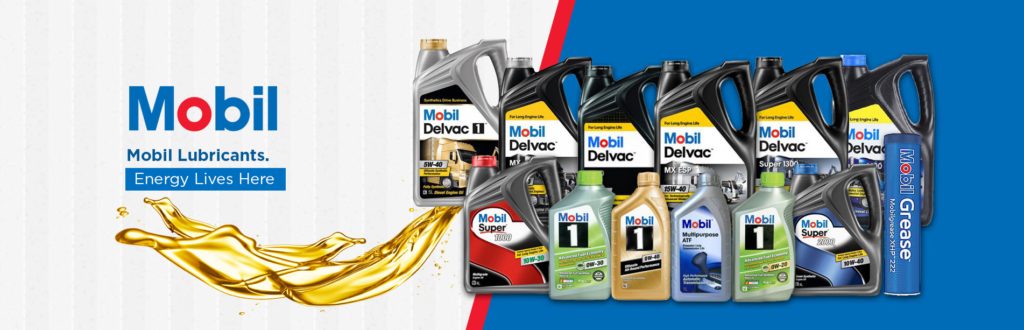
Genuine Mobil lubricants Nigeria products carry multiple OEM approvals, demonstrating versatility and engineering excellence. Mobil synthetic oil Nigeria formulations particularly excel at meeting demanding manufacturer specifications.
Mobil 1 Advanced Performance carries approvals from Mercedes-Benz, BMW, Volkswagen Group, Porsche, and GM Dexos1 Gen 2. This breadth demonstrates formulation sophistication meeting diverse requirements simultaneously.
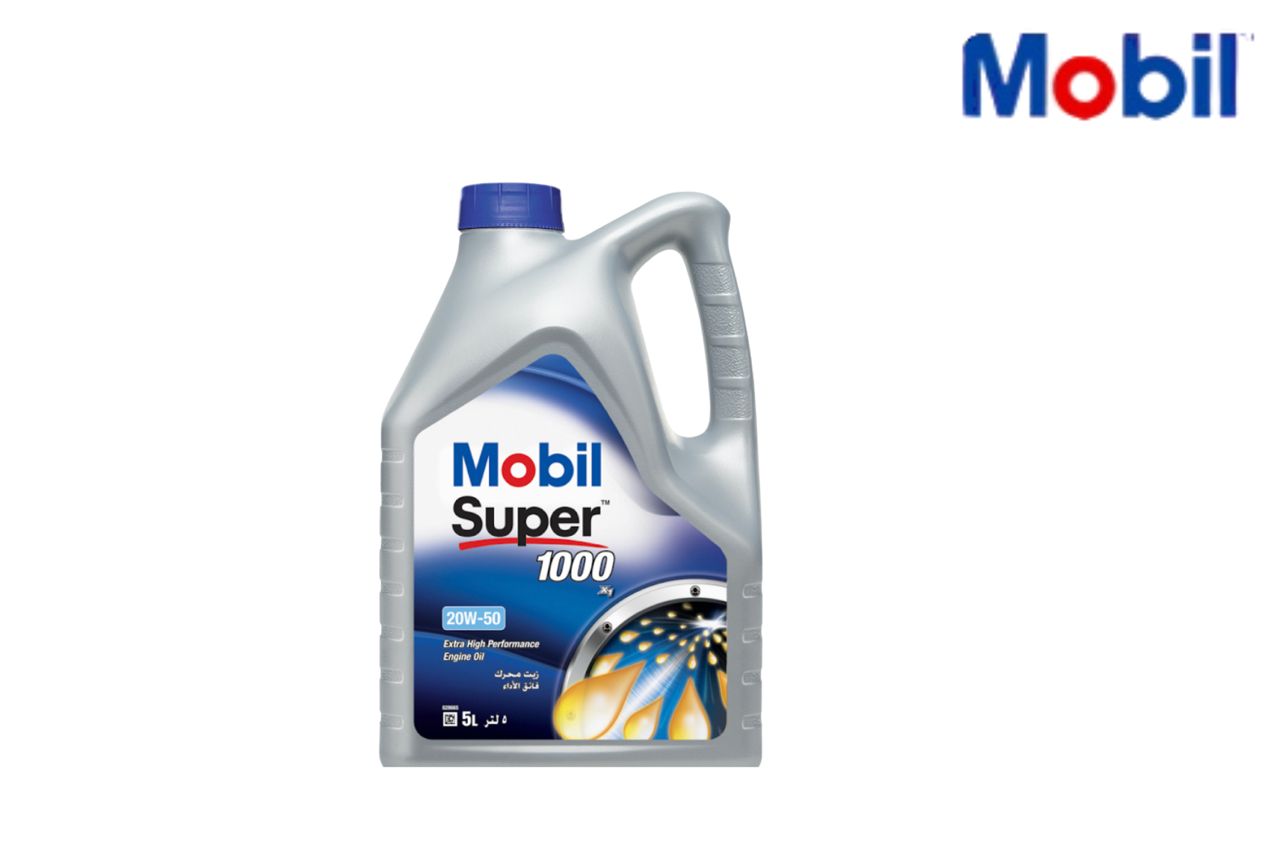
Mobil Super Series provides conventional and semi-synthetic options with appropriate approvals for older vehicles and moderate service applications.
Mobil Delvac Commercial Range carries approvals from Cummins, Detroit Diesel, and Volvo, addressing commercial vehicle demands for extended drain oil Nigeria capabilities.
Achieving multiple OEM approvals simultaneously requires advanced base oil quality, sophisticated additive packages, and careful viscosity grade optimization. Viscosity grade 0W-20 Nigeria and viscosity grade 5W-30 Nigeria represent common specifications balancing multiple requirements while maintaining low SAPS technology for emission system protection.
Real-World Benefits of OEM-Approved Lubricants
Warranty Security: Manufacturers may deny warranty claims when engine damage occurs while using non-approved lubricants. OEM-approved oils eliminate this uncertainty.
Optimized Performance: Engines perform best with lubricants matching design specifications, ensuring proper VVT operation, turbocharger protection, and fuel injection system cleanliness.
Extended Engine Life: Proper lubrication represents the single most important factor in engine longevity. OEM-approved formulations protect critical components under actual operating conditions.
Fuel Economy Optimization: Modern fuel economy engine oil Nigeria formulations reduce friction through advanced chemistry and appropriate viscosity grades.
Emission System Protection: Low SAPS formulations protect expensive emission control components including catalytic converters and particulate filters.
The Dangers of “Equivalent” Products
Some products claim to “meet” OEM specifications without formal approval. This distinction matters significantly. “Meets requirements” suggests compliance with published performance criteria but lacks verification through actual OEM testing protocols. Approved oils carry manufacturer endorsement and associated liability, while non-approved products shift risk entirely to consumers.
Buying Mobil oil in Nigeria from authorized Mobil distributor Nigeria sources ensures you receive formulations matching approval testing rather than questionable alternatives.
Navigating OEM Requirements for Your Vehicle
Your vehicle’s owner’s manual lists required lubricant specifications. Look beyond viscosity grade to OEM approval requirements. Common formats include: “Use engine oils meeting [Manufacturer] [Specification Code] or equivalent approved oils.”
Major automotive manufacturers maintain technical resources listing approved lubricants by viscosity grade and specification. Knowledgeable staff at authorized Mobil oil official distributor Nigeria locations maintain current information on OEM approvals and can cross-reference your vehicle requirements with appropriate Mobil engine oil Nigeria products.
Quality Assurance: Maintaining Approval Compliance
Every batch of genuine Mobil lubricants Nigeria undergoes rigorous quality testing before release. This consistency ensures products leaving manufacturing facilities match approved formulations. Mobil oil certification Nigeria documents provide traceability from manufacturing through distribution, enabling verification that products match approved formulations.
Counterfeit products obviously lack legitimate OEM approvals despite false claims. Purchasing from authorized sources like established Mobil oil Lagos retailers, Mobil oil distributor Lagos facilities, or Mobil oil supplier Abuja locations ensures authenticity.
Frequently Asked Questions
Does my vehicle really require OEM-approved oil? If your owner’s manual specifies OEM approval requirements (MB, BMW LL, VW, Dexos, etc.), yes. Using non-approved oils may void warranty coverage and risks suboptimal performance.
Can I use oil with higher specifications than required? Generally yes, but verify backward compatibility. Newer specifications typically supersede older ones within the same manufacturer’s lineup.
Are OEM-approved oils more expensive? Premium formulations carrying multiple approvals may cost more than basic oils. However, the protection, performance, and warranty security justify this investment.
Where can I verify if Mobil oil has required approvals? Check product labels, consult Mobil oil safety data sheet Nigeria technical documents, or contact authorized distributors. Mobil oil service centre Nigeria locations can verify approvals for your specific vehicle requirements.
What happens if I accidentally used wrong oil? If you haven’t damaged the engine, drain the incorrect oil and replace with proper approved lubricant. Single isolated incidents typically don’t void warranties if corrected promptly.
Protecting Your Investment Through Knowledge
Modern vehicle engines represent sophisticated engineering marvels demanding equally sophisticated lubrication. OEM approvals aren’t arbitrary marketing requirements but essential specifications ensuring lubricants match engine design intentions.
Quality and integrity in lubricant selection mean respecting engineering specifications rather than gambling with cheaper alternatives. Mobil branded lubricants in Nigeria carrying appropriate OEM approvals represent investments in engine protection, not expenses to minimize.
Ready to ensure your engine receives proper OEM-approved protection? Connect with knowledgeable specialists who can identify exact requirements for your vehicle and match them with appropriate Mobil products. Visit Mobil lubricants Port Harcourt locations, contact Mobil oil Nigeria contact channels, or explore authorized distributors maintaining comprehensive product knowledge.
Your engine’s sophisticated engineering deserves lubricants meeting exacting specifications. Don’t compromise warranty coverage or performance with inadequate alternatives. Choose OEM-approved excellence ensuring your investment receives protection manufacturers intended.