
Discover how fuel-economy engine oil in Nigeria reduces fleet costs. Expert insights on commercial lubricants for lowering fuel consumption profitably
Every liter of diesel your fleet consumes represents money leaving your business. For Nigerian fleet operators managing dozens or hundreds of vehicles, fuel costs dominate operational budgets, often consuming 30-40% of total expenses. When margins tighten and competition intensifies, controlling fuel consumption becomes the difference between profitability and losses.
Most fleet managers focus on driver behavior, route optimization, and vehicle maintenance. Yet many overlook a scientifically proven cost-reduction strategy hiding in plain sight: switching to advanced fuel-economy engine oil formulations engineered to reduce friction and improve efficiency.
The mathematics are compelling. A modest 2% improvement in fuel economy across a 50-vehicle fleet consuming 2 million liters annually saves 40,000 liters at current Nigerian diesel prices, which translates into savings exceeding ₦30 million per year, enough to fund additional vehicles, driver bonuses, or competitive pricing advantages.
Understanding how modern commercial lubricants in Nigeria deliver these savings empowers fleet operators to make data-driven decisions that transform their bottom line.
The Science Behind Fuel Economy Lubricants

Fuel economy oils aren’t marketing gimmicks but sophisticated formulations grounded in tribology, the science of friction, wear, and lubrication.
How Engine Friction Consumes Fuel
Internal combustion engines convert fuel energy into mechanical work, but a significant portion is lost to friction. Pistons sliding against cylinder walls, crankshaft bearings rotating under load, and valve trains opening and closing thousands of times per minute each create friction, converting potential mechanical energy into waste heat.
Research from the Society of Automotive Engineers indicates friction losses consume 10-15% of fuel energy in conventional engines. Reducing this friction directly improves fuel efficiency without requiring vehicle modifications.
Lower Viscosity Advantages
Modern fuel-economy engine oil formulations in Nigeria use lower-viscosity grades like 5W-30, 5W-20, or even 0W-2,0 compared to traditional 15W-40 oils common in older recommendations. Lower viscosity means oil flows more easily, reducing pumping losses and decreasing friction between moving parts.
Viscosity grade 5W-30 Nigerian products balance fuel-economy benefits with adequate high-temperature protection. The “5W” indicates excellent cold-flow properties that enable quick lubrication during cold starts, while the “30” provides sufficient protection at operating temperatures.
Critical clarification: Lower viscosity only delivers benefits when engines are designed for these grades. Using oil that is too thin in engines that require a thicker formulation can cause wear and potential damage. Always follow manufacturer specifications.
Advanced Friction Modifier Technology
Beyond viscosity, fuel-economy oils incorporate specialized friction-modifier additives that create ultra-smooth boundary layers on metal surfaces. These molecular films reduce friction during brief periods when oil film thickness is minimal, such as startup, high loads, or extreme temperatures.
Organic friction modifiers, such as molybdenum compounds, create durable protective layers that survive thousands of operating hours. This persistent friction reduction delivers consistent fuel-economy gains throughout the oil service life.
Synthetic Base Oil Benefits
Many premium fuel-economy formulations utilize synthetic engine oil technology. Synthetic base oils, particularly Group III+ and Group IV polyalphaolefins (PAO), offer molecular uniformity that conventional mineral oils cannot match.
This uniformity creates several efficiency advantages:
Lower Traction Coefficients: Synthetic molecules slide past one another more easily, reducing internal friction.
Improved Volatility Control: Less oil evaporation at high temperatures means consistent viscosity throughout drain intervals.
Enhanced Thermal Stability: Synthetics resist viscosity increase from oxidation, maintaining low-friction properties longer.
Superior Cold-Flow Performance: Synthetic oils flow immediately during cold starts, reducing fuel-robbing drag while protecting engines.
Quantifying Fleet Savings: Real Numbers
Understanding theoretical benefits matters less than calculating the actual financial impact for your operation.
Fuel Consumption Baseline
Start by establishing the current fuel economy. Track total fuel consumed and kilometers driven over consistent periods. Calculate average fuel economy (kilometers per liter) across your fleet.
For example, a 30-vehicle delivery fleet averaging 7 km/liter with each vehicle traveling 3,000 km monthly consumes approximately 12,857 liters monthly (30 vehicles × 3,000 km ÷ 7 km/liter).
Expected Improvement Range
Peer-reviewed studies and field trials demonstrate that fuel-economy oils typically deliver 1-3% improvements in efficiency. Conservative estimates assume a 1.5% improvement, modest enough to account for variable conditions while remaining scientifically defensible.
Calculating Monthly and Annual Savings
Applying 1.5% improvement to our example fleet:
- Monthly fuel reduction: 12,857 L × 0.015 = 193 liters saved
- At ₦800/liter: ₦154,400 monthly savings
- Annual savings: ₦1,852,800
For a larger 100-vehicle fleet with higher utilization, savings multiply proportionally. Operations consuming millions of liters annually realize savings reaching tens of millions of naira.
Premium Lubricant Cost Analysis
Fuel economy oils typically cost 15-30% more than conventional alternatives. However, savings dwarf incremental costs.
Using the 30-vehicle example with 4-liter oil capacity and 10,000 km drain intervals:
- Oil changes per vehicle annually: 3.6 (assuming 3,000 km/month × 12)
- Total oil volume annually: 30 vehicles × 4L × 3.6 = 432 liters
- Premium cost difference at ₦1,500/liter: ₦648,000 additional cost
Net annual benefit: ₦1,852,800 (fuel savings) – ₦648,000 (incremental oil cost) = ₦1,204,800 net profit
Return on investment (ROI): 186% annually.
Beyond Fuel: Additional Operational Benefits
Fuel-economy oils deliver value that extends beyond pump savings.
Extended Engine Life
Lower friction means reduced wear. Components protected by advanced Mobil commercial lubricants in Nigeria last longer, requiring fewer rebuilds and delayed replacement intervals. Extended engine life reduces capital expenditure while maximizing asset utilization.
Reduced Maintenance Incidents
Superior thermal stability and oxidation resistance mean cleaner engines with fewer deposits. Cleaner engines experience fewer maintenance issues, including stuck piston rings, clogged oil passages, and injector problems. Reduced breakdowns mean fewer towing costs, repair bills, and schedule disruptions.
Extended Drain Intervals
Many fuel economy formulations enable extended service intervals when supported by oil analysis. Fewer oil changes reduce:
- Maintenance labor costs
- Filter replacement expenses
- Waste disposal fees
- Vehicle downtime
For fleets with in-house maintenance, labor savings alone justify the use of premium lubricants.
Emission Reductions
Improved fuel efficiency directly reduces CO2 emissions. Lower friction also decreases harmful emissions by enabling more complete combustion. For companies prioritizing sustainability or facing emissions regulations, fuel-economy oils support environmental goals while improving profitability.
Implementation Strategy for Fleet Operators
Maximizing benefits requires systematic implementation.
Conduct Fleet Analysis
Assess your current fleet composition, usage patterns, and fuel consumption. Identify the vehicles consuming the most fuel; these offer the most significant savings potential. Document baseline fuel economy for comparison after transitioning.
Verify Manufacturer Specifications
Review vehicle manufacturer recommendations to ensure fuel economy and oil grades align with specifications. Modern commercial vehicles increasingly specify lower-viscosity oils. Older equipment may require traditional grades, where fuel-economy formulations provide limited benefit.
Consult with authorized Mobil representatives in Nigeria who understand commercial applications. Facilities: Mobil Oil Lagos centers, Mobil Oil supplier Abuja locations employ specialists who match products to fleet requirements.
Pilot Testing Program
Before fleet-wide conversion, implement pilot testing with representative vehicles. Mconsucoand nsumption, engine cleanliness, and driver feedback. This evidence-based approach validates savings projections while identifying any application-specific considerations.
Oil Analysis Integration
Implement oil analysis to monitor lubricant condition throughout service intervals. Analysis confirms fuel economy oils maintain protective properties while identifying optimal drain intervals. This data-driven maintenance approach maximizes lubricant investments.
Many suppliers of genuine Mobil lubricants in Nigeria offer oil analysis services or laboratory partnerships that provide comprehensive testing.
Driver Training
Even superior lubricants cannot overcome wasteful driving practices. Combine lubricant optimization with driver training on fuel-efficient techniques, including smooth acceleration, appropriate gear selection, and reduced idling. Combined approaches multiply savings.
Selecting Appropriate Fuel Economy Formulation
Not all fuel economy offers the same level of performance. Quality and integrity in product selection ensure promised benefits materialize.
Mobil Product Solutions
NigOil Mobil Oil offers several fuel economy formulations addressing fleet needs:
Mobil Delvac 1 LE: Fully synthetic 5W-30 specifically designed for heavy-duty diesel applications requiring fuel economy. Low-ash technology protects modern emission systems while delivering measurable efficiency gains.
Mobil Super Fuel Economy Series: Semi-synthetic and synthetic options for light commercial vehicles and mixed fleets. Multiple viscosity grades address diverse applications.
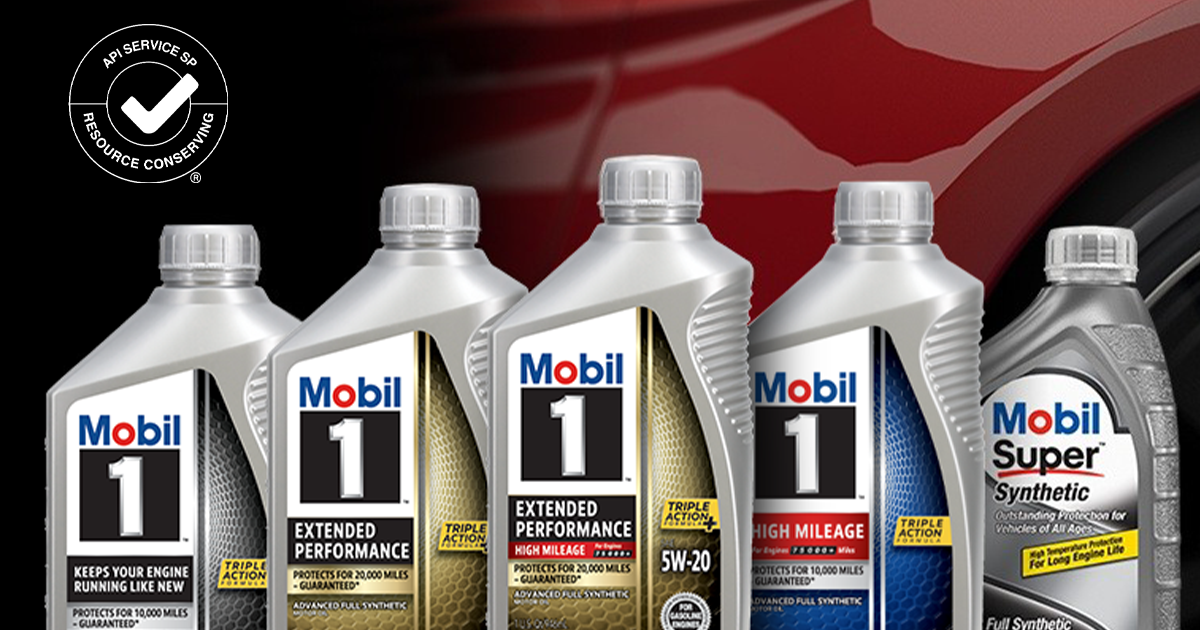
Mobil 1 ESP: Advanced synthetic providing maximum fuel economy for vehicles specifying ultra-low viscosity grades. Particularly beneficial for modern European commercial standard clauses common in Nigerian fleets.
Authentication Importance
Counterfeit lubricants plague Nigeria’s commercial market. Fake products not only fail to deliver fuel-economy benefits but also risk causing expensive engine damage. Purchase only from authorized Mobil Oil official distributors in Nigeria.
Verify authenticity through security features, documentation, including MobOil certification in Nigeria, and supplier credentials. Established Mobil oil distribution in Lagos, Mobil lubricants in Port Harcourt, and other authorized facilities provide guaranteed genuine products.
Transform Your Fleet Economics
Fuel costs are the largest controllable operating expense. An advanced fuel-economy engine in Nigeria delivers scientifically proven cost reductions without compromising protection or requiring capital investment in new equipment.
The mathematics favor action. Even conservative fuel-economy improvements deliver an ROI of 150-200% annually. For competitive fleet operators, these savings create pricing flexibility, expanded profit margins, or reinvestment opportunities.
Ready to calculate your fleet’s savings potential? Connect with commercial lubricant specialists who understand Nigerian operating conditions. Reach out through Mobil Oil Nigeria’s official contact channels, visit authorized distribution centers, or consult technical experts who can analyze your specific operation and recommend optimal solutions.
Quality and integrity in Mobil-branded lubricants in Nigeria mean genuine performance delivering measurable results. Stop leaving money on the road, harness fuel-economy technology, and improve your operational efficiency today.
Visit our website to explore more.