
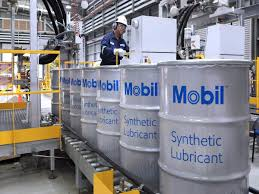
Behind every container of premium lubricant lies an invisible journey from raw materials to finished product. For Nigerian consumers accustomed to wondering whether their engine oil is genuine or counterfeit, understanding the sophisticated processes used to produce authentic products clarifies why quality matters and how to distinguish legitimate manufacturers from backyard operations.
Modern lubricant blending isn’t simple mixing. It’s precision chemistry that requires million-dollar equipment, rigorous quality control, environmental stewardship, and an unwavering commitment to specifications. The facilities producing genuine Mobil lubricants in Nigeria represent technological showcases where quality and integrity translate from principles into tangible reality.
This behind-the-scenes exploration reveals the advanced capabilities, systematic processes, and environmental responsibility defining world-class lubricant manufacturing in Nigeria.
The Foundation: State-of-the-Art Infrastructure
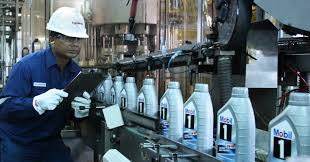
World-class lubricant production begins with purpose-built facilities incorporating the latest technologies and safety systems.
Advanced Blending Equipment
Modern blending plants use computer-controlled systems to ensure precise results. Programmable Logic Controllers (PLCs) control all parameters, from ingredient metering to mixing speeds and temperatures. These automated systems eliminate human error while maintaining consistency, which is impossible with manual operations.
High-shear mixers create homogeneous blends, ensuring additive packages are distributed uniformly throughout the base oils. This molecular-level mixing guarantees every liter performs identically, whether from the first production batch or the thousandth.
Temperature-controlled blending vessels maintain optimal conditions for different formulations. Some products require gentle warming for proper mixing, while others demand precise cooling. Automated systems adjust conditions matching each recipe’s requirements.
Storage and Handling Systems
Raw material storage incorporates environmental controls protecting ingredient integrity. Base oils and additives arrive in bulk, stored in climate-controlled tanks preventing contamination and degradation.
Automated transfer systems move materials through stainless steel piping networks, eliminating exposure to air, moisture, or contaminants. Closed-loop systems minimize environmental release while protecting product purity.
Finished product storage maintains identical environmental standards. Products await quality verification in dedicated tanks before automated filling lines package them into consumer-ready containers.
Quality Control Laboratories
On-site laboratories equipped with sophisticated analytical instruments verify every batch meets specifications before release. Equipment includes:
Viscometers: Measuring kinematic viscosity at multiple temperatures ensuring proper flow characteristics.
Flash Point Testers: Verifying safe handling temperatures and proper volatility control.
Pour Point Apparatus: Confirming low-temperature performance critical for cold-start protection.
Spectrometers: Analyzing elemental composition verifying additive concentrations match formulation requirements.
Fourier Transform Infrared (FTIR) Spectroscopy: Identifying molecular structures confirming proper base oil and additive chemistry.
These instruments generate data validating that each batch matches approved formulations for products from Mobil Super 1000 Nigeria to advanced synthetic engine oil Nigeria variants.
The Blending Process: Where Science Meets Precision
Understanding production workflows reveals the complexity behind seemingly simple lubricants.
Raw Material Verification
Quality begins before blending starts. Incoming base oils and additive packages undergo verification testing confirming they meet purchase specifications. Certificates of analysis from suppliers receive laboratory validation rather than blind acceptance.
This incoming inspection prevents substandard materials from entering production, ensuring final products maintain consistent quality.
Formulation Management
Each Mobil lubricant follows proprietary formulations developed through years of research and field testing. These recipes specify exact base oil grades, additive package concentrations, and blending parameters.
Formulation databases in production control systems contain hundreds of recipes addressing everything from conventional Mobil Super 2000 Nigeria to specialized Mobil industrial lubricants Nigeria for unique applications.
Recipe security prevents unauthorized modifications ensuring every batch matches approved specifications. Only authorized personnel can access or modify formulations, maintaining product integrity.
Automated Batching
Computer systems calculate precise ingredient quantities for each batch size. Automated valves meter base oils and additive packages with accuracy exceeding 0.1%, ensuring consistency batch after batch.
Weight-based metering provides superior accuracy compared to volume-based systems. Load cells continuously monitor ingredient addition, stopping flows exactly when target weights are reached.
Controlled Mixing
Once ingredients enter blending vessels, precisely controlled mixing begins. Mixing speed, duration, and temperature follow validated protocols ensuring complete homogenization. Under-mixing leaves ingredients improperly distributed, while over-mixing can degrade certain additives.
Real-time monitoring tracks mixing parameters, documenting every batch’s production conditions. This data provides traceability and enables continuous process optimization.
In-Process Quality Checks
During blending, technicians sample product for preliminary testing. Quick checks verify proper color, appearance, and basic properties before batch completion. This in-process verification catches issues early, preventing waste of materials and production time.
Rigorous Quality Assurance: Nothing Leaves Without Approval
Quality assurance extends beyond production into comprehensive testing and documentation.
Batch Testing Protocols
Every completed batch undergoes extensive laboratory testing against product specifications. Tests verify:
Physical Properties: Viscosity at 40°C and 100°C, viscosity index, flash point, pour point, and specific gravity.
Chemical Properties: Total base number (TBN), total acid number (TAN), sulfated ash content, and elemental analysis.
Performance Characteristics: Foam tendency, oxidation stability, and compatibility testing.
Results must fall within tight specification ranges before batch approval. Products failing any test receive additional investigation, reformulation if necessary, or disposal according to environmental protocols.
Certification and Traceability
Approved batches receive unique identification numbers linking them to complete production records. This traceability enables tracking from raw materials through blending, testing, packaging, and distribution.
Should any quality concern arise in the field, batch numbers enable rapid investigation identifying affected products and root causes. This systematic traceability represents industry best practice and ISO 9001 quality management principles.
Mobil oil certification Nigeria documentation accompanies products, providing customers with verified authenticity and performance assurance.
Continuous Improvement
Quality data feeds continuous improvement initiatives. Statistical process control identifies trends enabling proactive adjustments before issues affect products. Regular audits verify procedures remain current and effective.
Third-party certifications including ISO 9001 (Quality Management), ISO 14001 (Environmental Management), and ISO 45001 (Occupational Health & Safety) require annual surveillance audits validating ongoing compliance.
Environmental Stewardship: Protecting Nigeria’s Future
Advanced lubricant production incorporates comprehensive environmental protection systems.
Emissions Control
Vapor recovery systems capture volatile organic compounds (VOCs) released during tank filling and blending operations. These systems prevent atmospheric release while recovering valuable materials for reuse.
Dust collection equipment captures particulate matter during powder additive handling, protecting air quality for workers and surrounding communities.
Continuous emissions monitoring provides real-time data ensuring compliance with Nigerian Environmental Standards and Regulations Enforcement Agency (NESREA) requirements.
Water Conservation and Treatment
Closed-loop cooling systems recirculate water rather than consuming fresh supplies for single-pass cooling. This approach dramatically reduces water consumption while maintaining process control.
Any process water requiring disposal receives multi-stage treatment removing contaminants before discharge. Effluent quality meets or exceeds regulatory standards protecting receiving water bodies.
Waste Minimization
Source reduction strategies minimize waste generation. Optimized formulations and precise blending reduce off-specification production requiring disposal. Quality control catches issues early, enabling reformulation rather than waste.
Packaging materials including drums, intermediate bulk containers (IBCs), and cardboard undergo systematic recycling. Vendor partnerships ensure materials return to productive use rather than landfills.
Off-specification lubricants undergo proper disposal through licensed waste handlers certified for petroleum product management, never entering informal disposal channels harming the environment.
Energy Efficiency
Modern equipment incorporates energy-efficient motors, variable frequency drives, and optimized heating/cooling systems. Energy management programs identify reduction opportunities while maintaining production capabilities.
LED lighting throughout facilities reduces electrical consumption while improving visibility and safety. Motion sensors prevent energy waste in infrequently occupied areas.
Safety Culture: Protecting People and Assets
Employee safety and asset protection receive constant attention throughout operations.
Comprehensive Safety Protocols
All personnel receive extensive safety training before working in production areas. Training covers chemical handling, emergency response, personal protective equipment (PPE) usage, and hazard recognition.
Regular safety drills ensure workforce readiness for potential incidents from chemical spills to equipment malfunctions. Emergency response equipment including eyewash stations, safety showers, fire suppression systems, and spill containment materials are strategically positioned throughout facilities.
Process Safety Management
Automated safety systems incorporate multiple protective layers. High-temperature alarms prevent overheating. Overfill protection stops tank filling before dangerous levels. Emergency shutdown systems enable rapid response if abnormal conditions develop.
Regular equipment inspections and preventive maintenance prevent failures that could compromise safety or environmental protection. Non-destructive testing evaluates pressure vessels and piping ensuring structural integrity.
The 11PLC Advantage: Technology Meets Expertise
Leading Nigerian lubricant producers combine advanced infrastructure with decades of expertise. These operations don’t simply blend lubricants but engineer solutions addressing Nigerian conditions while meeting international standards.
State-of-the-art facilities producing 11PLC Mobil lubricants represent millions in infrastructure investment demonstrating long-term commitment to Nigerian market. This dedication manifests in:
Consistent Quality: Automated systems and rigorous testing ensure products meet specifications batch after batch.
Product Authenticity: Sophisticated production capabilities and security measures prevent counterfeit infiltration of genuine supply chains.
Technical Innovation: Ongoing investment in equipment and processes keeps facilities at technology forefront.
Environmental Responsibility: Advanced environmental controls protect communities and ecosystems.
Local Expertise: Nigerian technical staff understand local operating conditions and customer requirements.
Frequently Asked Questions
How can I verify my lubricant came from a legitimate blending facility? Purchase from authorized Mobil distributor Nigeria locations maintaining direct relationships with certified production facilities. Request documentation including batch numbers, certificates of analysis, and Mobil oil safety data sheet Nigeria information.
What certifications should legitimate blending facilities hold? ISO 9001 (Quality Management), ISO 14001 (Environmental Management), and ISO 45001 (Occupational Health & Safety) represent baseline certifications. ExxonMobil authorization for Mobil oil official distributor Nigeria requires meeting additional stringent standards.
How does advanced blending technology prevent counterfeits? Sophisticated equipment, proprietary formulations, and comprehensive quality testing create barriers counterfeiters cannot economically replicate. Purchasing from authorized sources connected to certified facilities eliminates the risk of counterfeit.
Are Nigerian-blended lubricants as good as imported products? When facilities meet international standards and follow approved formulations, location matters less than process adherence. World-class Nigerian facilities produce lubricants matching global quality benchmarks while better addressing local conditions.
Can I visit blending facilities? Some facilities offer tours for commercial customers, educational institutions, or industry professionals. Contact Mobil oil Nigeria contact channels or authorized distributors to inquire about facility visit opportunities.
Experience the Difference Advanced Production Makes
Understanding the sophisticated processes creating genuine Mobil lubricants in Nigeria reveals why quality and integrity cannot be compromised. World-class blending facilities represent the physical manifestation of commitment to excellence, environmental responsibility, and customer protection.
When you choose Mobil-branded lubricants in Nigeria from authorized sources, you’re supporting operations where technology, expertise, and responsibility converge. Every bottle represents precision engineering, rigorous testing, and environmental stewardship.
Ready to experience products from facilities setting industry standards? Connect with authorized distributors linked to certified production operations. Visit Mobil Oil’s Lagos locations, contact Mobil Oil supplier representatives in Abuja, or reach out via Mobil Oil’s service centres in Nigeria.
Your engine deserves lubricants created where precision meets passion, where quality isn’t negotiable, and where every batch reflects decades of engineering excellence. Choose genuine products from facilities proud of their processes, transparent about their standards, and committed to protecting Nigerian engines and the environment.
Visit our website to explore more.