
Nigerian roads present unique challenges that transform engine oil selection from a routine maintenance decision into a critical protection choice. The best engine oil for Nigerian roads must handle extreme heat radiating from asphalt reaching 60°C, dust infiltration from unpaved stretches, prolonged idling in Lagos and Abuja traffic, and the mechanical stress of potholes jarring engines violently. Standard oils formulated for European or American conditions often fail catastrophically under these combined stresses, leaving drivers facing expensive repairs from what seemed like adequate lubrication choices.
Understanding Nigeria’s Unique Road Challenges
Nigerian driving conditions create a perfect storm of engine stress:
Temperature Extremes: Ambient temperatures exceeding 35°C combine with stop-and-go traffic, preventing adequate cooling, pushing engine oil temperatures to levels that break down conventional lubricants rapidly.
Road Surface Variability: Transitioning between smooth highways and pothole-riddled urban roads creates vibration and impact stress that conventional oil films struggle to cushion effectively.
Extended Idle Periods: Traffic congestion forces engines to run hot without airflow cooling while oil circulation slows, accelerating thermal degradation.
Dust and Contamination: Unpaved sections and construction areas introduce airborne particles that infiltrate engines despite filtration, demanding oils with superior contamination handling.
According to research on automotive tribology, combined environmental stresses can reduce conventional oil life by 50-70% compared to ideal operating conditions, making Nigerian roads particularly demanding.
Critical Characteristics of Road-Ready Oils
The best engine oil for Nigerian roads incorporates specific properties addressing local challenges:
Superior Thermal Stability
Heat-resistant engine oil Nigeria formulations maintain protective viscosity at sustained high temperatures. Premium synthetics resist breakdown at temperatures exceeding 200°C, providing consistent protection during extended traffic exposure where conventional oils thin dangerously.
Enhanced Anti-Wear Protection
Potholes and rough roads create impact loads that stress engine bearings and internals. Advanced anti-wear additives create protective layers on metal surfaces that cushion these impacts while preventing direct metal contact during vibration.
Robust Oxidation Resistance
Heat accelerates oil oxidation, creating acidic compounds and sludge. Premium formulations include powerful oxidation inhibitors extending service life despite thermal stress from Nigerian conditions.
Superior Detergency
Dust infiltration and combustion deposits require oils with strong detergent packages, keeping contaminants suspended until filtration removes them, preventing abrasive accumulation that accelerates wear.
Viscosity Stability
Nigerian conditions demand oils maintaining consistent thickness despite temperature fluctuations and sustained high-temperature operation. Modern viscosity grade 5W30 Nigeria and 5W-40 formulations often outperform heavier conventional oils through superior thermal stability.
Selecting the Right Formulation
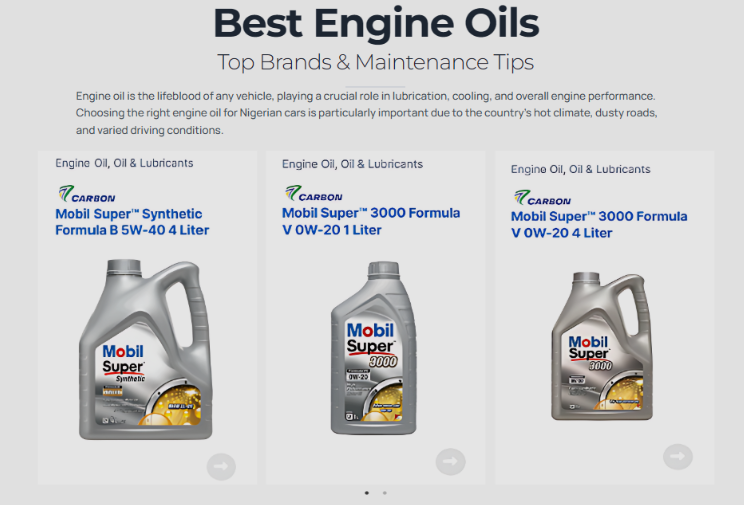
Mobil engine oil Nigeria product lines offer options addressing different needs:
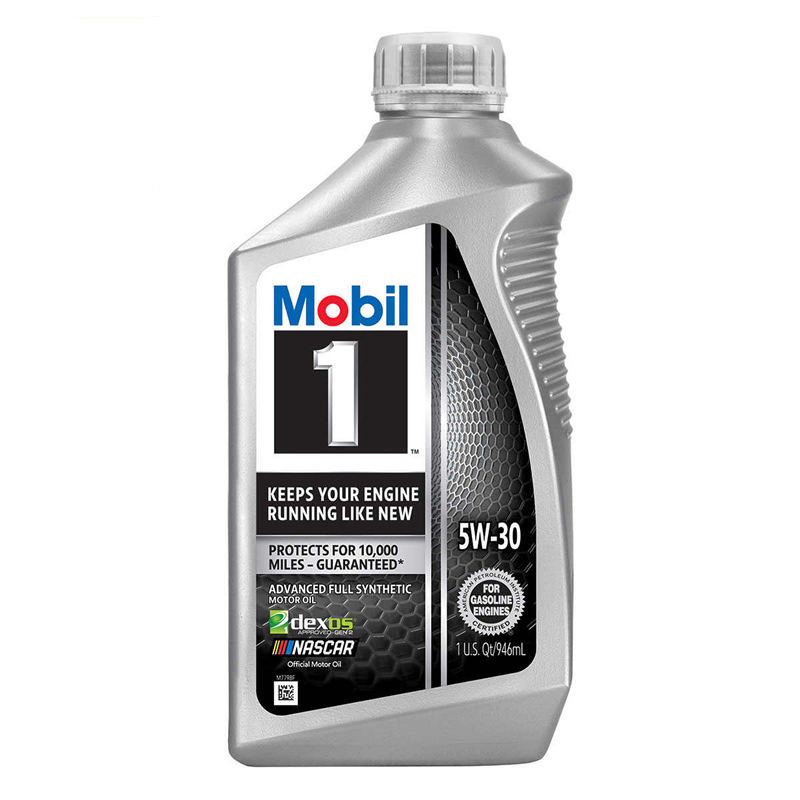
Synthetic Options: Premium fully synthetic formulations like Mobil 1 provide maximum protection for Nigerian conditions, justifying their cost through extended service life and superior thermal performance.
Synthetic Blends: Products like Mobil Super 2000 Nigeria offer improved performance over conventional oils at moderate pricing, suitable for standard passenger vehicles under typical Nigerian use.
Diesel Formulations: Commercial vehicles benefit from Mobil Delvac Nigeria products engineered specifically for diesel engines operating under heavy loads and extended duty cycles.
High Mileage Solutions: Older vehicles with accumulated wear benefit from specialized high mileage formulations providing enhanced seal conditioning and wear protection.
Viscosity Selection for Nigerian Climate
While manufacturer recommendations provide baseline guidance, Nigerian heat may warrant consideration of slightly heavier grades:
5W-30 and 5W-40: These grades offer excellent all-around performance for most Nigerian applications, providing cold start protection while maintaining film strength at high temperatures.
10W-40: Suitable for older engines or extreme heat exposure, though modern synthetics often outperform through superior thermal stability rather than mere thickness.
Quality and Integrity: Mobil Branded Lubricants in Nigeria
Quality and Integrity, Mobil-branded lubricants in Nigeria ensure oils labeled for Nigerian conditions actually deliver promised protection. Counterfeit products claiming heat resistance but lacking proper formulation fail catastrophically under sustained Nigerian road stress.
Source Mobil synthetic oil in Nigeria only from authorized Mobil distributor Nigeria channels, guaranteeing authentic products engineered for demanding conditions, rather than counterfeit oils destroying engines despite premium labeling.
Maintenance Practices for Nigerian Roads
Optimal protection requires combining quality oil with appropriate maintenance:
Monitor oil level weekly, as Nigerian conditions may increase consumption. Consider slightly shorter drain intervals than manufacturer recommendations due to severe operating conditions. Inspect oil appearance between changes, watching for unusual darkening or contamination. Address developing leaks promptly rather than simply topping up repeatedly.
Frequently Asked Questions
Q: Should I use thicker oil for Nigerian heat?
A: Not necessarily. Modern synthetics with appropriate viscosity grades often outperform heavier conventional oils through superior thermal stability rather than thickness alone.
Q: How often should I change oil on Nigerian roads?
A: Follow manufacturer recommendations as baseline, typically 10,000-15,000 km for quality synthetics. Consider shorter intervals if operating primarily in severe traffic or dusty conditions.
Q: Can premium oil really make a difference on bad roads?
A: Absolutely. Premium formulations maintain protection under the combined stresses of heat, contamination, and mechanical impact that overwhelm conventional oils quickly.
Q: Is synthetic oil necessary for Nigerian conditions?
A: While not absolutely mandatory, synthetic or synthetic blend oils deliver measurably better protection and longevity under Nigerian operating stresses, often justifying their premium cost.
Protect Your Engine on Every Nigerian Road
Nigerian roads demand lubricants engineered specifically for their unique challenges. Don’t compromise with oils formulated for gentler conditions that leave your engine vulnerable to preventable damage.
Visit 11plc.com to explore Mobil engine oil Nigeria formulations proven on Nigerian roads. Connect with experts who understand local conditions and can recommend the best engine oil for Nigerian roads, matching your specific vehicle and driving patterns.
Quality and Integrity, Mobil-branded lubricants in Nigeria provide the foundation for reliable engine performance regardless of road conditions. Choose heat-resistant engine oil engineered for the reality of Nigerian driving, not the ideal of smooth highways and mild temperatures.
Your engine faces Nigerian roads daily. Give it protection equal to the challenge.