
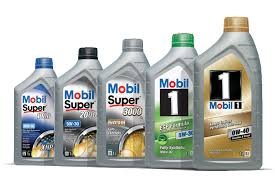
Your generator rumbles to life during yet another power outage. Within hours, fuel consumption seems higher than normal, engine noise increases, and you wonder how long before expensive repairs become inevitable. Across Nigeria, from telecom base stations running 24/7 to households depending on backup power, generators represent critical infrastructure suffering premature failure from a preventable cause: improper lubrication.
The generator engine oil Nigeria market offers countless options, yet most users select products based solely on price or availability. This decision costs thousands in excessive fuel consumption, accelerated wear, and premature engine replacement. Understanding specialized requirements for stationary gas engines and selecting appropriate low-ash gas engine oil Nigeria formulations transforms generator economics while ensuring reliable power when needed most.
Why Generators Demand Specialized Lubrication
Generators operate differently from automotive engines, creating unique lubrication challenges requiring purpose-designed solutions.
Stationary Engine Operating Characteristics
Constant Load and Speed: Unlike vehicles experiencing variable speeds and loads, generators run at fixed RPM under steady loads. This continuous operation at constant conditions creates specific wear patterns and thermal stress requiring lubricants optimized for sustained performance rather than variable conditions.
Extended Run Times: Telecom base stations and critical facilities often operate generators continuously for days or weeks. According to stationary engine research, continuous-duty applications demand lubricants maintaining protective properties throughout extended operation without the cooling periods automotive engines experience.
Natural Gas Fuel Characteristics: Many modern generators, particularly in telecom applications, run on natural gas or LPG rather than diesel or gasoline. Gas combustion creates different byproducts affecting oil chemistry and requiring specialized formulations.
The Ash Content Challenge
Standard automotive oils contain detergent and anti-wear additives incorporating metallic compounds. During combustion, these create ash deposits accumulating on spark plugs, exhaust valves, and combustion chambers. In automotive applications with periodic high-speed operation, these deposits remain manageable.
Stationary gas engines operating continuously at fixed speeds accumulate ash deposits rapidly. Excessive ash causes:
Spark Plug Fouling: Deposits on spark plugs cause misfires, rough running, and power loss. Frequent plug replacement becomes necessary, increasing maintenance costs and downtime.
Pre-Ignition and Knock: Ash deposits create hot spots, triggering premature fuel ignition. This knocking damages pistons, rings, and bearings while reducing efficiency.
Valve Recession: Deposits on exhaust valve seats prevent proper sealing, causing compression loss and valve damage requiring expensive repairs.
Increased Emissions: Incomplete combustion from ash-related issues increases emissions while reducing fuel efficiency.
This explains why low-ash gas engine oil Nigeria formulations prove essential for gas-fueled generator applications. These specialized oils minimize ash-forming additives while maintaining adequate protection through alternative chemistries.
Fuel Economy Impact: The Hidden Cost of Wrong Oil
Beyond wear protection, lubricant selection significantly affects generator fuel consumption.
Friction Reduction Benefits
Internal engine friction converts fuel energy into waste heat rather than useful work. Optimized generator engine oil Nigeria formulations reduce friction through:
Appropriate Viscosity: Using the lowest viscosity providing adequate protection minimizes fluid friction. Many gas generators benefit from 10W-30 or even 5W-30 grades rather than traditional 15W-40 formulations.
Friction Modifier Additives: Advanced additives create molecular films, reducing boundary friction when oil film thickness becomes minimal under high loads.
Synthetic Base Oils: Synthetic formulations offer inherently lower friction coefficients than conventional mineral oils due to molecular uniformity.
According to generator efficiency studies, optimized lubrication can improve generator fuel efficiency by 2-5%, translating to substantial savings for high-utilization applications.
Real-World Savings Calculation
Consider a 15 kVA generator supporting a telecom base station consuming approximately 3 liters of natural gas equivalent per hour during continuous operation:
Current Consumption:
- Monthly operation: 720 hours
- Monthly fuel: 2,160 liters
- Annual fuel: 25,920 liters
- At ₦600/liter: ₦15,552,000 annually
With 3% Efficiency Improvement:
- Reduced consumption: 777.6 liters annually
- Annual savings: ₦466,560
Even premium low-ash oil costing ₦50,000 annually delivers nearly 10:1 return on investment through fuel savings alone, before considering reduced maintenance and extended engine life.
Selecting Appropriate Generator Lubricants
Matching oil to specific generator applications optimizes performance and longevity.
For Natural Gas and LPG Generators
Low Ash Formulations Essential: Products specifically labeled as low ash gas engine oil in Nigeria or meeting API CK-4 specifications with reduced SAPS (Sulfated Ash, Phosphorus, Sulfur) content.
Extended Drain Capabilities: Gas combustion produces cleaner byproducts than diesel, enabling extended oil change intervals. Quality low-ash oils often support 500-1,000 hour drain intervals versus 250 hours for standard automotive oils.
Thermal Stability: Continuous operation demands oils resisting oxidation and thermal breakdown, maintaining viscosity throughout extended service periods.
For Diesel Generators
Robust Detergency: Diesel combustion creates more soot and contaminants, requiring strong dispersant packages to keep engines clean.
Wear Protection: Heavy-duty diesel formulations like Mobil Delvac provide superior wear protection under high loads and continuous operation.
Soot Handling: Formulations managing diesel soot without excessive viscosity increase ensure proper lubrication throughout service intervals.
For Gasoline Generators
Smaller Generators (under 5 kVA): Quality automotive oils like Mobil Super 2000 Nigeria in appropriate viscosity grades (typically 10W-30 or 10W-40) provide adequate protection for intermittent household use.
Larger Generators: Higher-capacity gasoline generators benefiting from commercial-grade formulations offering enhanced protection under sustained loads.
Maintenance Best Practices: Maximizing Generator Life
Proper lubrication represents just one element of comprehensive generator maintenance.
Oil Change Interval Optimization
Manufacturer Recommendations: Start with manufacturer-specified intervals as baseline guidance.
Operating Conditions Adjustment: Continuous operation, high ambient temperatures, or dusty environments accelerate oil degradation, requiring more frequent changes.
Oil Analysis Programs: For critical applications like telecom base stations, periodic oil analysis determines actual remaining oil life, enabling optimized drain intervals. Analysis detects fuel dilution, coolant contamination, and wear metals, suggesting developing problems.
Proper Oil Level Management
Regular Checks: Stationary engines often lack automotive-style oil pressure monitoring. Weekly oil level checks prevent operation with insufficient oil, causing catastrophic wear.
Correct Fill Levels: Overfilling causes foaming and aeration, reducing lubrication effectiveness. Underfilling starves components of protection. Maintain levels within manufacturer-specified ranges.
Air Filtration Importance
Quality lubrication cannot compensate for inadequate air filtration. Dusty Nigerian environments demand frequent air filter inspection and replacement, preventing abrasive particle ingestion and accelerating cylinder wear.
Addressing Common Generator Lubrication Mistakes
Understanding frequent errors helps avoid expensive consequences.
Using Automotive Oil in Gas Generators
Standard automotive engine oils contain ash-forming additives appropriate for vehicles but problematic for stationary gas engines. This common mistake leads to rapid spark plug fouling and valve problems.
Extending Drain Intervals Excessively
While quality oils support extended drains, exceeding appropriate limits allows acid buildup, additive depletion, and contamination accumulation. Balance extended intervals against protection maintenance through oil analysis verification.
Mixing Oil Types or Brands
While chemically compatible, mixing oils dilutes the beneficial properties of premium formulations. When switching to superior products, complete the transition at the next scheduled change rather than topping up with different formulations.
Neglecting Oil Quality Verification
Counterfeit generator oils proliferate in Nigerian markets. Using fake products voids warranty coverage while risking expensive damage. Purchase only from an authorized Mobil distributor in Nigeria that sources authentication documentation.
Quality and Authenticity: Protecting Your Investment
Generator engines represent substantial investments for businesses and households. Protecting these assets demands genuine products from verified sources.
Authentication Importance
Counterfeit lubricants lack proper additive packages and base oil quality. In generator applications where engines may operate continuously for extended periods, inferior oils cause accelerated wear and efficiency loss.
Sourcing Genuine Products
Purchase from established authorized Mobil Oil official distributor Nigeria locations, including Mobil Oil Lagos facilities, Mobil Oil supplier Abuja centers, or verified distributors maintaining direct supply relationships, ensuring product authenticity.
Verify packaging security features, request certificates of authenticity, and examine batch codes confirming legitimate origin.
Frequently Asked Questions
Can I use regular car engine oil in my generator? For small gasoline generators in intermittent household use, quality automotive oils work adequately. However, natural gas generators and continuous-duty applications require specialized low-ash formulations preventing spark plug fouling and valve problems.
How often should I change generator oil? Depends on the application and oil type. Quality low-ash oils in gas generators often support 500-1,000-hour intervals. Diesel generators typically require 250-500 hours. Gasoline generators in household intermittent use need 100-200-hour changes or annual replacement regardless of hours.
What viscosity should I use for my generator? Consult your generator manual. Most modern generators specify 10W-30 or 10W-40. Avoid excessively thick oils increasing internal friction and fuel consumption.
Will synthetic oil improve my generator’s performance? Yes. Synthetic formulations offer superior thermal stability, lower friction, better cold-starting, and extended drain capabilities. While more expensive initially, fuel savings and extended intervals often justify the premium.
Where can I buy genuine low-ash generator oil in Nigeria? Contact authorized distributors through Mobil Oil Nigeria contact channels or visit established locations, ensuring product authenticity and proper specifications for your application.
Power When You Need It Most
Generators provide critical backup power for Nigerian homes, businesses, and infrastructure. Protecting these essential assets through proper lubrication ensures reliability while controlling operating costs. Quality and integrity in Mobil-branded lubricants in Nigeria mean accessing formulations engineered specifically for generator demands.
Selecting appropriate generator engine oil Nigeria products matched to your fuel type and operating conditions delivers measurable benefits in reduced fuel consumption, extended maintenance intervals, and prolonged engine life.
Ready to optimize your generator’s performance and economics? Visit 11PLC to access specialized generator lubricants and connect with technical experts who can recommend optimal solutions for your specific application. Your generator deserves protection engineered for continuous-duty excellence.
Don’t let improper lubrication destroy your power security. Choose formulations designed for stationary engine demands and experience the reliability proper protection delivers when power matters most.