
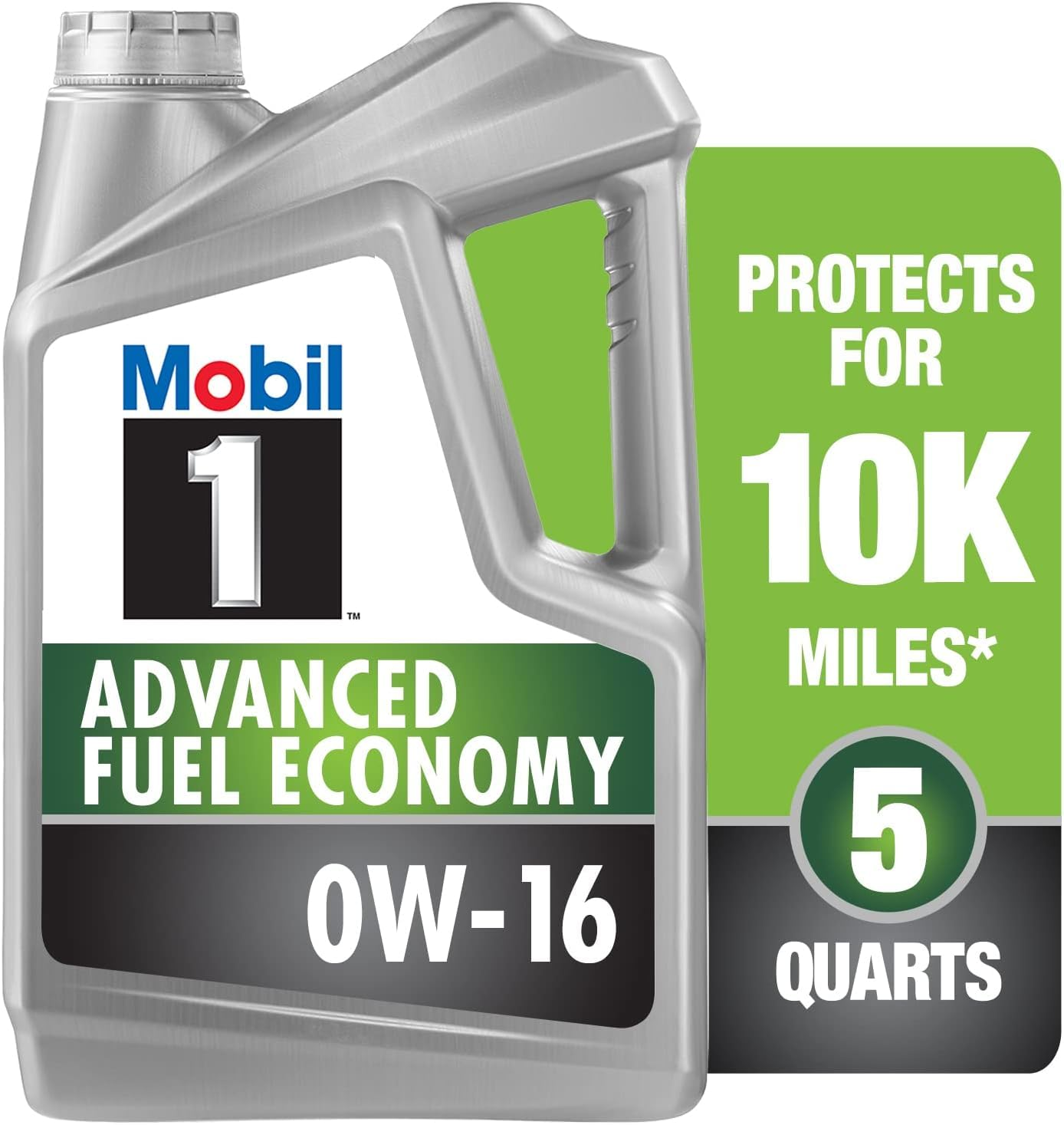
The cryptic numbers on your engine oil bottle aren’t random codes but critical specifications determining whether your engine thrives or suffers. Choosing between viscosity grade 5W30 Nigeria and viscosity grade 0W20 Nigeria formulations represents one of the most critical decisions affecting engine longevity, fuel efficiency, and performance. Get it wrong, and you risk accelerated wear, overheating, or even catastrophic failure under Nigerian operating conditions.
Understanding viscosity grades empowers informed decisions, protecting your automotive investment while optimizing performance for local climate realities.
What Viscosity Actually Means
Viscosity measures oil’s resistance to flow, essentially its “thickness.” Thicker oils flow slowly, while thinner oils flow easily. The Society of Automotive Engineers (SAE) established the grading system universally displayed on oil containers.
Decoding the Numbers
Modern multi-grade oils display two numbers separated by “W” (Winter). The first number indicates cold-temperature flow characteristics, while the second represents high-temperature viscosity.
5W-30 Breakdown: The “5W” means the oil flows like a 5-weight oil at cold temperatures, providing good cold-start protection. The “30” indicates that it maintains a 30-weight viscosity at the 100°C operating temperature.
0W-20 Breakdown: The “0W” designation provides even better cold-flow properties than 5W, while “20” indicates a thinner, higher-temperature viscosity than 30-weight oils.
Lower numbers indicate thinner oil; it flows more easily. Higher numbers indicate thicker oil, providing a stronger film.
Viscosity Grade 5W30 Nigeria: The Versatile Performer
In Nigeria, viscosity grade 5W30 remains the most popular specification for modern vehicles, balancing multiple performance requirements.
Ideal Applications
5W-30 is suitable for most gasoline and diesel engines manufactured after 2000. It provides excellent protection for:
Turbocharged Engines: Adequate viscosity protects turbocharger bearings from extreme speeds and temperatures.
Variable Valve Timing Systems: Proper viscosity ensures hydraulic VVT actuators respond correctly across temperature ranges.
Direct Injection Engines: Maintains cleanliness by preventing injector deposits and protecting high-pressure fuel pumps.
Nigerian Climate: High-temperature viscosity withstands intense heat from Lagos traffic to Abuja highways.
Performance Characteristics
Quality 5W-30 formulations like those in genuine Mobil lubricants in Nigeria provide:
Cold-Start Protection: Flows quickly during morning starts, reaching critical components before metal-to-metal contact occurs.
High-Temperature Stability: Maintains protective film strength even when oil temperature exceeds 120°C under Nigerian conditions.
Fuel Economy Benefits: Thinner than traditional 10W-40 oils, reducing friction and improving efficiency without sacrificing protection.
Wear Protection: Adequate viscosity ensures proper bearing-clearance lubrication under both normal and severe operating conditions.
Viscosity Grade 0W20 Nigeria: The Efficiency Specialist
Viscosity grade 0W20 Nigeria represents a newer technology that optimizes fuel economy while protecting modern, tight-tolerance engines.
Where 0W-20 Excels
This ultra-low viscosity suits specific applications:
Hybrid Vehicles: Frequent engine start-stop cycles require immediate lubrication, which 0W-20 provides.
Fuel-Efficient Engines: Modern designs with tighter bearing clearances require thinner oils for optimal performance.
Cold Climate Operations: Superior cold-flow benefits matter less in Nigeria, but they help prevent issues during the harmattan season, when temperatures drop.
Manufacturer Specifications: Increasingly, OEMs specify 0W-20 for the latest-generation engines designed for this viscosity.
Important Considerations
While 0W-20 offers advantages, it’s not universally suitable:
Engine Design Requirements: Only use in engines specifically designed for 0W-20. Using engines that require thicker oils provides inadequate protection.
Operating Conditions: Extreme heat, heavy loads, or high-mileage engines with increased bearing clearances may need thicker viscosities.
Availability: Finding quality 0W-20 from authorized Mobil distributors in Nigeria ensures you receive formulations that meet stringent specifications, not questionable alternatives.
Choosing the Right Viscosity for Your Vehicle
Selecting appropriate viscosity requires considering multiple factors beyond personal preference.
Manufacturer Recommendations
Your vehicle’s owner’s manual specifies required viscosity grades. This specification isn’t arbitrary but results from extensive engineering validation. Modern warranties may require specific viscosity levels, with deviations potentially voiding coverage.
Check your manual’s viscosity chart, accounting for temperature ranges. While Nigeria doesn’t experience freezing condition,s making the “W” rating less critical, the high-temperature number remains crucial.
Engine Age and Condition
Newer Engines (under 75,000 km): Follow manufacturer specifications precisely. If specified for 5W-30 or 0W-20, use exactly that viscosity.
High-Mileage Engines (over 150,000 km): Increased bearing clearances from normal wear may benefit from slightly higher viscosity. However, consult with professionals before deviating from specifications.
Driving Conditions
Severe Service (city traffic, short trips, heavy loads): These conditions increase thermal stress. Ensure your viscosity provides adequate protection at high temperatures.
Highway Driving (sustained speeds, moderate loads): Less demanding conditions where the fuel economy benefits of lower viscosity become more apparent.
The Quality Factor: Why Brand Matters
Viscosity alone doesn’t determine protection. Base oil quality and additive packages separate premium products from cheap alternatives.
Mobil Synthetic Oil Nigeria Advantages
Synthetic engine oil Nigeria formulations from established manufacturers offer superior performance within the same viscosity grade:
Thermal Stability: Synthetic base oils resist viscosity breakdown under extreme heat better than conventional minerals.
Oxidation Resistance: Less tendency to thicken or form sludge during extended service.
Viscosity Index: Maintains more consistent viscosity across temperature extremes.
Additive Compatibility: Sophisticated additive packages work synergistically with high-quality base oils.
Products from authorized sources ensure you receive genuine formulations, not counterfeits that lack these benefits.
Common Viscosity Myths Debunked
Myth: Thicker is always better for protection.
Reality: Excessively thick oil increases friction, reduces fuel economy, and may not reach critical components quickly enough during startup. Match manufacturer specifications.
Myth: You can switch viscosities at any time based on the season.
Reality: Nigeria’s consistent temperatures don’t require seasonal changes. Stick with manufacturer-specified grades year-round.
Myth: All oils with the same viscosity perform identically.
Reality: Base oil quality and additive technology drive significant performance differences across brands and formulation types.
Frequently Asked Questions
Can I use 5W-30 if my car specifies 0W-20?
Not recommended. Using thicker oil than specified may trigger warning lights in vehicles with oil pressure sensors calibrated for 0W-20. It could also reduce fuel economy and affect the VVT system performance.
Will 0W-20 protect my engine in Nigerian heat?
Yes, if your engine is designed for it. The “20” high-temperature rating provides adequate protection for engines engineered with appropriate bearing clearances. Quality 0W-20 synthetic formulations handle heat excellently.
How do I know which viscosity my car needs?
Check your owner’s manual or the oil filler cap. Many vehicles display the required viscosity directly on the cap. When in doubt, consult the authorized Mobil Oil service centre in Nigeria for guidance.
Does viscosity affect fuel economy significantly?
Yes. Lower viscosity reduces internal friction, typically improving fuel economy by 1-2% compared to higher viscosities. However, only use lower viscosities if manufacturer-approved.
Where can I find quality 5W-30 or 0W-20 in Nigeria?
Purchase from authorized distributors, including Mobil Oil Lagos and Mobil Oil supplier Abuja, or other verified locations, to ensure genuine products meet specifications.
Making the Right Choice
Viscosity selection is a critical decision that affects engine protection, performance, and longevity. Understanding the science behind those numbers empowers you to make informed choices that match your specific vehicle and operating conditions.
Quality and integrity in Mobil-branded lubricants in Nigeria mean you receive products engineered to perform at their specified viscosity grade. When combined with proper viscosity selection, you maximize your engine’s potential while ensuring protection under Nigerian operating realities.
Ready to select the perfect viscosity for your engine? Visit our website or contact technical experts at authorized distributors to match your vehicle specifications with appropriate formulations. Your engine deserves precision in both viscosity selection and product quality.