
Introduction: Why Lubrication Is a Key Part of Engine Performance
Every smooth and efficient journey begins inside the engine. While fuel often gets the most attention, engine oil quietly determines how well that fuel is used. Lubricants reduce friction, protect engine parts, and help vehicles run with less energy waste.
Today, conversations around fuel economy engine oil are growing because drivers want better mileage, lower maintenance costs, and longer engine life. The right lubricant is not just maintenance, it is performance enhancement in liquid form.
What Engine Lubricants Really Do
Lubricants are engineered fluids that reduce direct metal contact inside the engine. Without them, fast-moving parts would generate extreme heat, wear out quickly, and consume more fuel.
According to the American Petroleum Institute, engine oils are designed to reduce wear, control deposits, and improve engine performance.
Key functions include:
- Reducing friction between moving parts
- Cooling internal components
- Cleaning sludge and deposits
- Protecting against corrosion and wear
Each function contributes directly to fuel efficiency and engine health.
How Lubricants Improve Fuel Economy
Fuel economy depends on how efficiently an engine converts fuel into motion. The less resistance inside the engine, the less fuel is wasted.
The U.S. Department of Energy confirms that reducing friction improves vehicle efficiency over time.
1. Lower Internal Friction
A strong oil film prevents metal-to-metal contact, allowing smoother movement.
2. Cleaner Engine Operation
Cleaner components support better combustion and fuel usage.
3. Stable Engine Temperature
Lubricants help control heat, preventing energy loss.
4. Better Energy Use
More fuel energy is converted into motion instead of heat loss.
This is why fuel economy engine oil plays a critical role in modern driving performance.
Engine Efficiency and Why It Matters
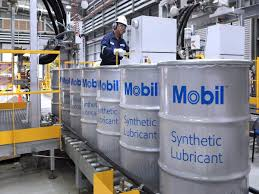
Engine efficiency is about maintaining performance while minimizing waste. Even small improvements in lubrication can lead to noticeable gains in output and durability.
The Society of Automotive Engineers explains that modern lubricants are engineered for reduced drag and improved flow efficiency.
Efficient lubrication supports:
- Faster cold starts
- Smooth high-temperature operation
- Reduced wear and tear
- Stable engine power output
When properly maintained, lubrication systems, often referenced through standards like 11PLC, help ensure consistent engine protection under demanding conditions.
Types of Lubricants That Influence Efficiency
Different engine oils provide different levels of performance and fuel efficiency.
Synthetic Oil
Highly refined and designed for maximum efficiency. The ExxonMobil research highlights its superior wear protection and fuel-saving benefits.
Conventional Oil
More affordable but less efficient under extreme conditions.
High-Mileage Oil
Designed for older engines with enhanced sealing and protection.
Advanced Low-Friction Oils
Companies like Castrol develop oils that reduce engine drag and support better fuel economy.
Lubricants and Environmental Impact
Efficient engines are not just cost-saving, they are environmentally responsible.
The Environmental Protection Agency confirms that improved fuel efficiency reduces greenhouse gas emissions.
Leading energy companies such as Shell continue investing in cleaner lubricant technologies.
Key benefits include:
- Lower fuel consumption
- Reduced emissions
- Less engine waste
- Longer engine lifespan
Good lubrication supports both performance and sustainability.
FAQ: Lubricants and Fuel Efficiency
1. How do lubricants improve fuel economy?
They reduce internal friction, allowing engines to use fuel more efficiently.
2. What is the best oil for fuel economy engine oil performance?
Synthetic oils offer the best efficiency due to low friction and high stability.
3. Can engine oil affect fuel consumption?
Yes, poor-quality oil increases friction and reduces mileage.
4. How often should engine oil be changed?
Typically every 5,000–10,000 km depending on driving conditions and oil type.
5. What happens if I ignore oil maintenance?
Engine wear increases, fuel efficiency drops, and long-term damage may occur.
Conclusion: Small Lubrication, Big Difference
Lubricants play a silent but powerful role in engine performance. From reducing friction to improving fuel economy, they directly affect how efficiently a vehicle runs.
Understanding fuel economy engine oil and maintaining proper lubrication practices alongside standards like 11PLC, helps ensure smoother performance, lower fuel costs, and longer engine life.
Call to Action
Want better engine performance and improved fuel efficiency? Start by choosing the right engine oil and maintaining proper lubrication habits. Visit our website to explore expert guides, fuel-saving insights, and premium lubricant solutions designed to keep your engine performing at its peak.